History of Baja
Discover the history and cultural heritage of Panche Baja and Naumati Baja, traditional Nepali musical ensembles connected with celebration, community, and identity.
Explore their historical background, instruments, musicians, ceremonial roles, and continuing place in Nepali cultural life.
Explore the History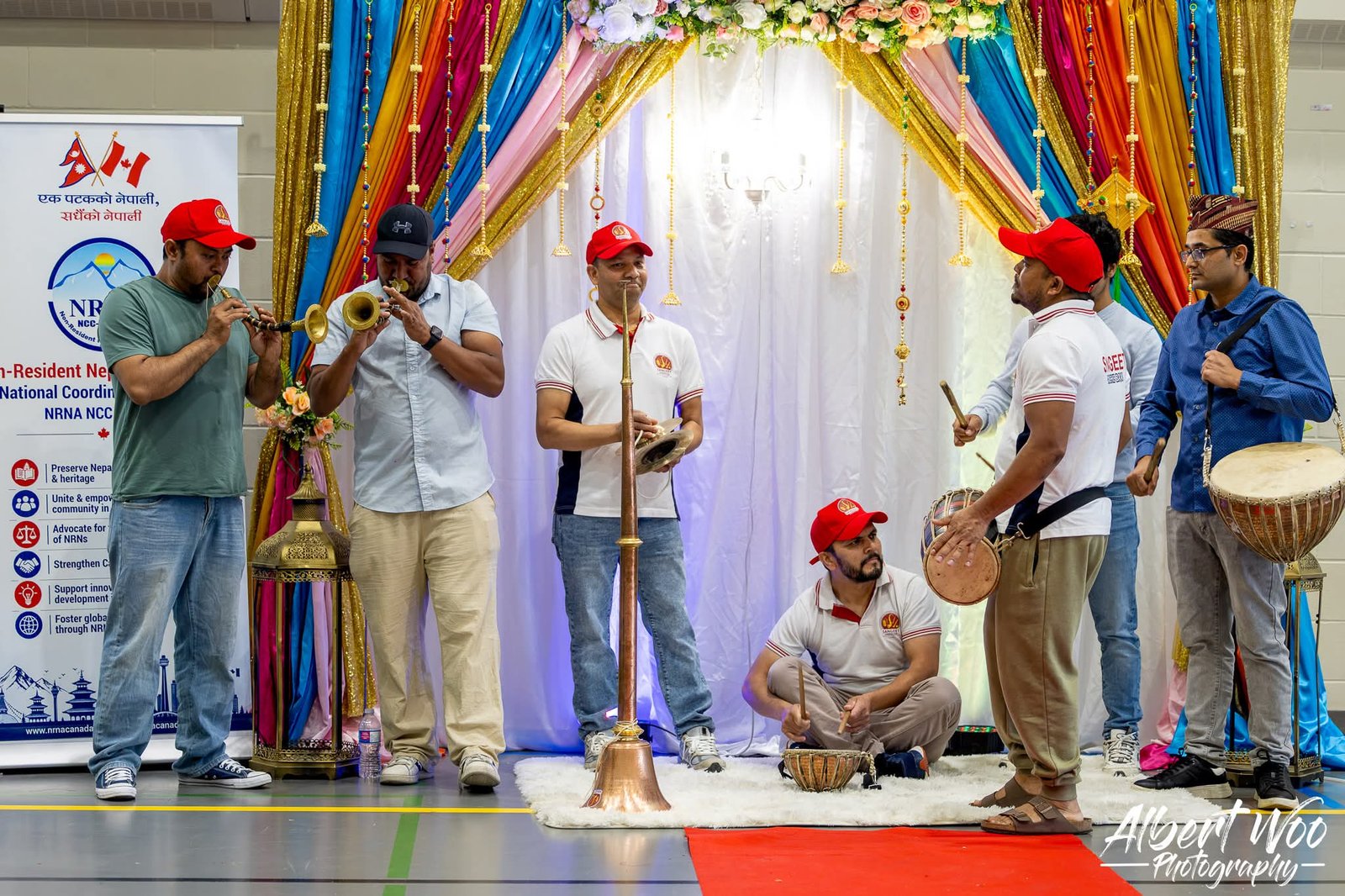
Music Rooted in Community
Baja is a Nepali word commonly used for musical instruments and instrumental music. In ceremonial settings, traditional Baja ensembles bring together melody, rhythm, and the sounds of wind instruments and percussion.
Panche Baja and Naumati Baja are associated with auspicious occasions and community celebrations. Their musical knowledge has been carried forward through musicians, families, teachers, and cultural communities.
Their history is preserved not only in written records, but also through performance practices, oral knowledge, regional styles, and the memories of musicians and elders.
Roots of Traditional Baja
Traditional ceremonial music in Nepal developed through community life, religious practices, celebrations, and the work of generations of musicians. The exact beginnings of the named ensembles are not established by one universally accepted date or origin story.
Music in Ceremonial Life
Instrumental music has accompanied important social and religious occasions in Nepal. Ceremonial music can mark processions, create a festive atmosphere, and bring participants together.
Community Musicians
Traditional musicians have played important roles in community events. Their knowledge includes melodies, rhythms, instrument techniques, and ceremonial performance customs.
Oral Transmission
Musical traditions are often learned through listening, observation, repetition, and practice with experienced musicians. Oral teaching remains an important way of passing on musical knowledge.
Regional Traditions
Musical practices can differ between regions and communities. Instrument arrangements, repertoire, names, and ceremonial customs may reflect local histories and preferences.
A Tradition Passed Across Generations
The story of Baja can be explored through the changing ways communities have performed, taught, and preserved ceremonial music.
Traditional Ceremonial Practice
Instrumental ensembles became associated with important community occasions, including celebrations, processions, and religious or family ceremonies.
Established Ensemble Traditions
Musicians maintained recognizable ensemble arrangements and performance practices. Panche Baja and Naumati Baja became familiar names for related ceremonial musical traditions.
Changing Social and Musical Settings
As communities and celebrations changed, performances adapted to new venues, audiences, and musical environments. Traditional ensembles continued to participate in important cultural events.
Contemporary Cultural Preservation
Cultural organizations, artists, educators, and community groups document performances, teach younger learners, and introduce Baja traditions to wider audiences in Nepal and abroad.
Panche Baja & Naumati Baja
The names describe two closely related ceremonial ensemble traditions. Their arrangements can vary by region, community, and musicians.
Panche Baja (पञ्चे बाजा)
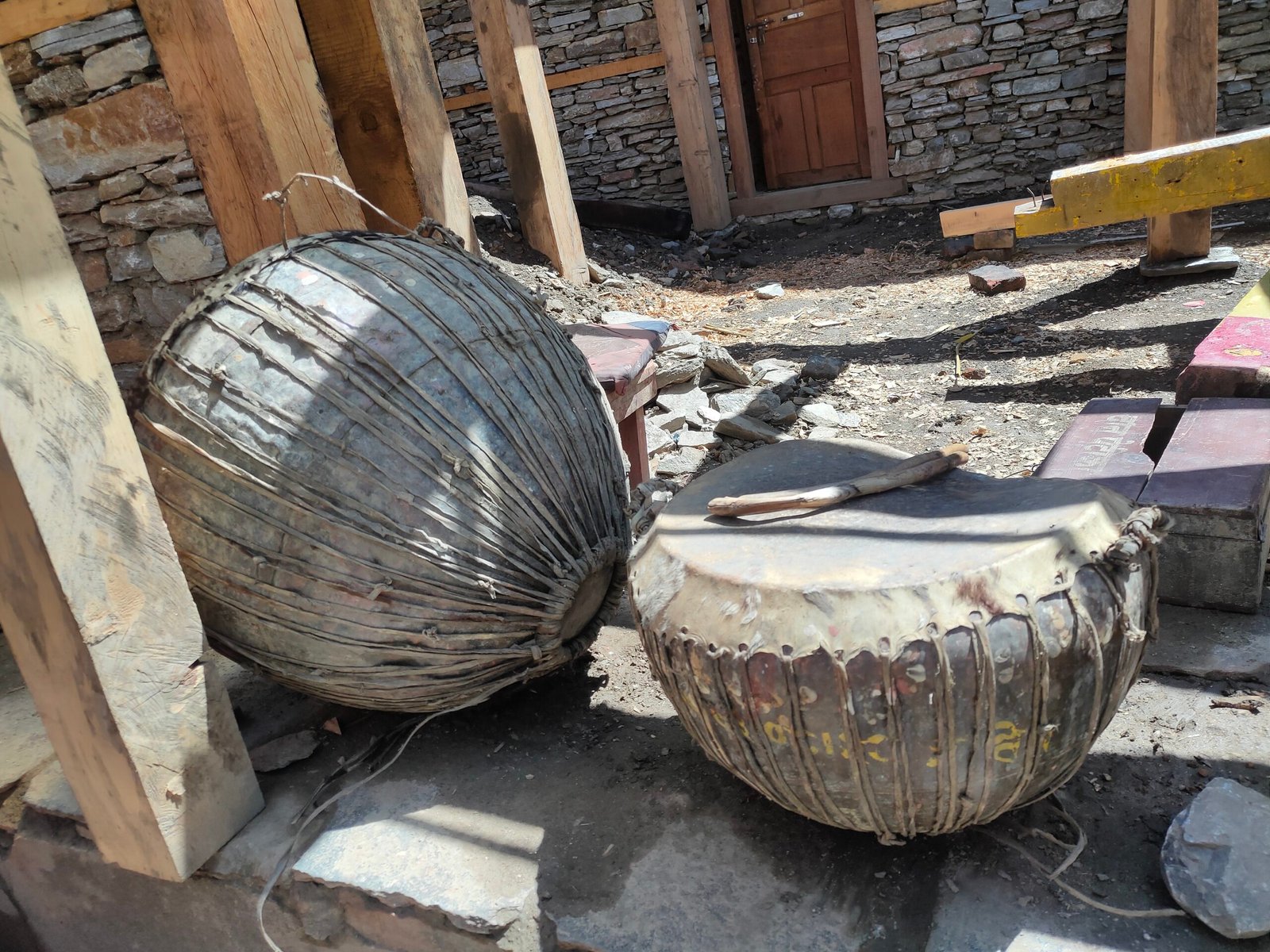
Panche Baja is commonly understood as a traditional five-instrument ensemble. The name reflects the five-instrument grouping associated with this form.
It is widely connected with weddings, religious occasions, family ceremonies, and auspicious community events.
The ensemble brings together melodic wind instruments and percussion to create a lively ceremonial sound.
Naumati Baja (नौमती बाजा)
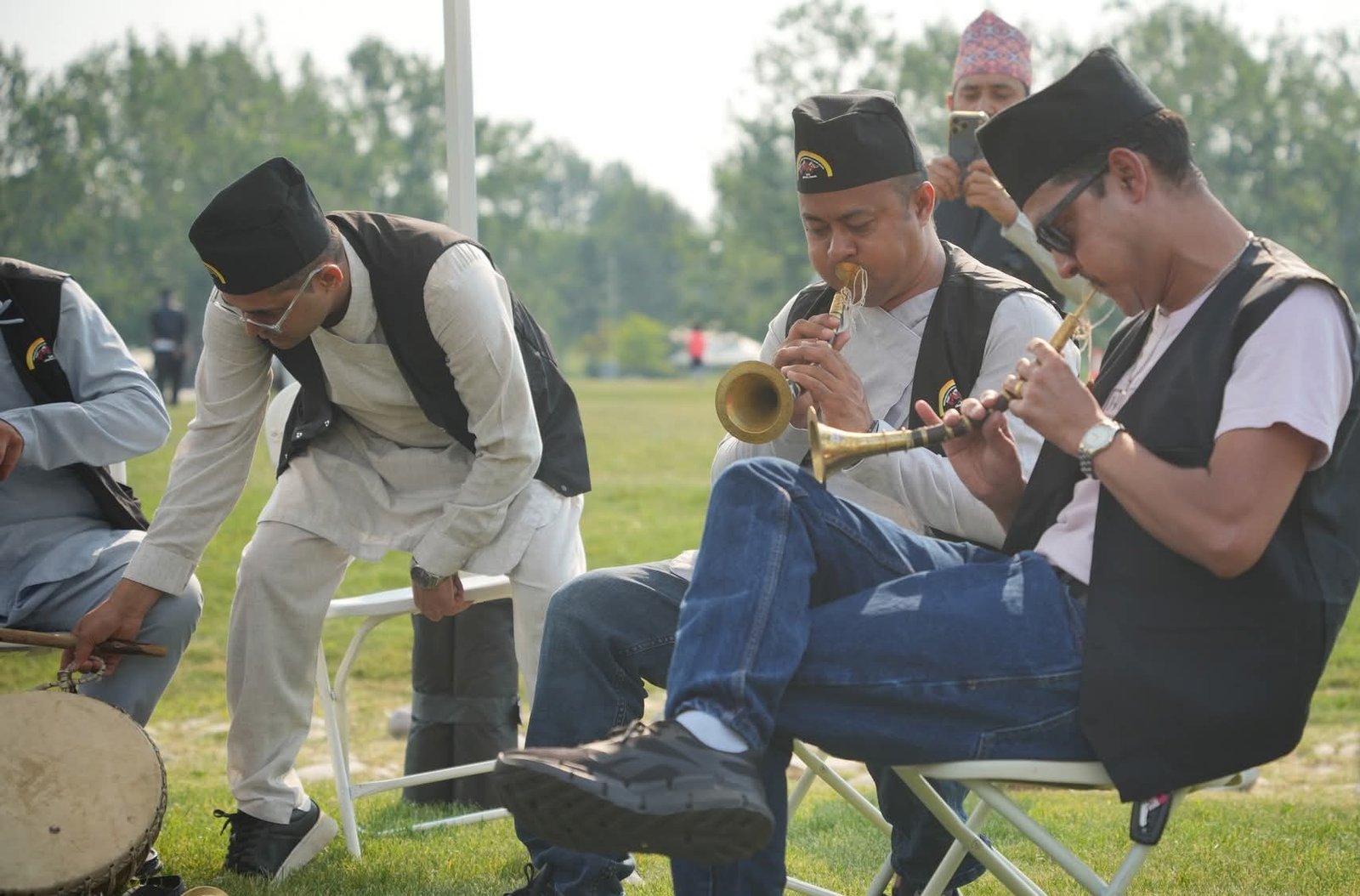
Naumati Baja is commonly described as an expanded nine-instrument ensemble associated with a fuller ceremonial musical arrangement.
It is often heard at large celebrations, wedding processions, festivals, and important community occasions.
Its combination of horns, reed instruments, and percussion creates a powerful and festive ensemble sound.
The Five Instruments of Panche Baja
Each instrument contributes a distinctive sound and musical role. Together, they create the melody, rhythm, and ceremonial energy of the ensemble.
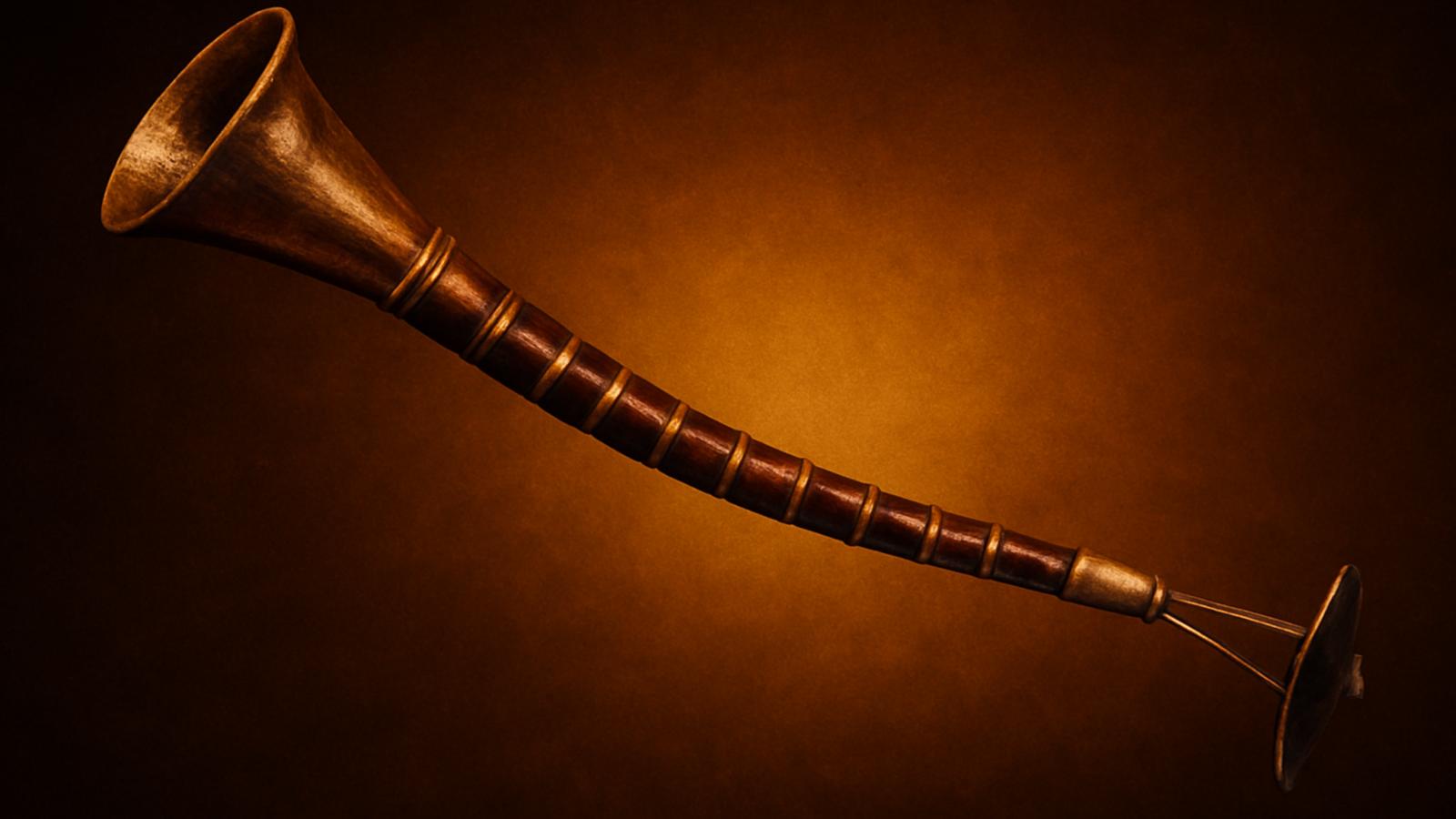
Sanai
A traditional reed instrument that carries the melody and contributes the distinctive ceremonial sound of Baja.
Tyamko
A small traditional kettledrum that contributes rhythmic patterns and supports the ensemble's musical pulse.
Dholak
A double-headed drum used to create rhythmic patterns and support the lively character of the performance.
Damaha
A large traditional kettledrum known for its deep, powerful sound and important role in ceremonial rhythm.

Jyali
A pair of metal cymbals that adds bright rhythmic accents and helps maintain the ensemble's pulse.
The People Behind the Tradition
The history of Baja is also the history of the musicians who have learned, performed, taught, and preserved its musical knowledge.
Traditional musicians, including members of the Damai community, have contributed to the development and continuation of Nepal's ceremonial music traditions.
Their knowledge includes instrument making and care, repertoire, performance techniques, ceremonial customs, and musical collaboration.
Recording their experiences helps preserve personal histories that may not appear in written publications.
More Than Music
Panche Baja and Naumati Baja are connected with social relationships, cultural identity, and the celebration of important moments in life.
Their performances can bring together musicians, families, elders, and community members through shared musical experiences.
Tradition in a Changing World
Like many traditional musical practices, Baja continues to adapt as communities, occupations, and cultural environments change.
Changing Performance Settings
Traditional ensembles may perform in community ceremonies, cultural programmes, stages, and educational settings beyond their earlier contexts.
Passing on Musical Knowledge
Teaching younger generations requires opportunities to learn directly from experienced musicians and practise traditional instruments.
Supporting Traditional Artists
Recognizing the skills and contribution of musicians helps support the people who maintain and share this heritage.
Documenting Cultural Change
Interviews, photographs, recordings, and community archives can preserve how the tradition changes over time.
Keeping the Tradition Alive
Preserving Baja means protecting more than instruments. It also means supporting musicians, documenting knowledge, and creating opportunities for new generations to learn and participate.
Learning from Elders
Record interviews and conversations with experienced musicians and cultural knowledge holders. Document their memories and teaching practices with permission.
Community Archives
Preserve photographs, recordings, event programmes, and historical documents with accurate captions and source information.
Youth Education
Create learning opportunities through schools, cultural organizations, workshops, and community performances.
Living Heritage
Support active musicians and performances so the tradition remains meaningful in contemporary community life.
Preserving Our Musical Heritage
SANGEET works to safeguard Nepalese musical heritage and share traditional knowledge with future generations.
Through cultural education, instrument learning, community activities, and documentation, SANGEET helps create opportunities for people to experience and understand traditional Baja.
The preservation of this heritage depends on musicians, learners, families, educators, and communities working together.
Explore the Learning CentreTradition in Pictures
Photographs document musicians, instruments, performances, and community experiences that keep Baja traditions alive.
Add captions with the year, location, performers, photographer, and source wherever this information is known.
Experience the Sound of Baja
Video recordings preserve the movement, sound, and atmosphere of traditional performances in ways that written descriptions cannot fully capture.
Observe how musicians coordinate, maintain rhythm, and perform together during a ceremonial occasion.
Oral Histories & Musician Stories
The experiences of musicians and cultural elders are an important part of Baja's history. Their stories help document knowledge that may not be found in written records.
Stories from Musicians
Share interviews about learning instruments, performing at ceremonies, musical traditions, and experiences across generations.
Community Memories
Preserve memories of traditional performances, local celebrations, instrument makers, and cultural events through recorded conversations.
Historical References & Archives
A reliable cultural history is strengthened by published research, historical records, and first-hand documentation.
Sources to Include
- Published research on Nepali traditional music and musical instruments.
- Ethnomusicology books and academic articles.
- Interviews with experienced Baja musicians and cultural elders.
- Historical photographs and community archives.
- Documented recordings of traditional performances.
Include the author, title, publication or interview date, page number where relevant, and source link for each reference you add.
Discover the Instruments
Continue exploring the musical structure, sounds, and instruments of Panche Baja through the SANGEET Learning Centre.
Visit the Learning Centre